
- All
- Product Name
- Product Keyword
- Product Model
- Product Summary
- Product Description
- Multi Field Search
 |


| Quantity: | |
|---|---|
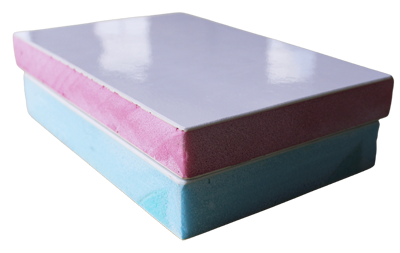
When it comes to manufacturing high-performance refrigerated trucks, commonly known as thermo trucks, the selection of materials is not just about aesthetics—it is about thermal efficiency, structural integrity, and long-term durability. At the heart of modern thermo truck body construction lies the White FRP Coil (Fiber Reinforced Plastic). Available in precise thicknesses of 1.2mm, 1.5mm, 2mm, and 3mm, this material is specifically engineered to be laminated with high-density insulation foam to create composite sandwich panels.
In this comprehensive guide, we will explore why these specific thicknesses matter, how they integrate with insulation cores, and why FRP for Truck applications is the industry standard for temperature-controlled logistics.

The transportation of perishable goods—from fresh produce to pharmaceuticals—requires strict temperature control. The exterior skin of a thermo truck must withstand harsh weather, road debris, and frequent wash-downs while maintaining thermal insulation. This is where FRP for Truck Body excels.
Unlike traditional materials like aluminum or steel, FRP offers a unique combination of high impact resistance, zero corrosion, and excellent thermal break properties. When used in a sandwich panel construction, the FRP skins act as a protective shell that encases the insulating core (usually polyurethane or XPS foam). This synergy creates a rigid, lightweight structure that maximizes payload capacity and minimizes thermal transfer.
The availability of 1.2mm FRP for Truck, 1.5mm FRP for Truck, 2mm FRP for Truck, and 3mm FRP for Truck allows manufacturers to tailor the panel strength to specific areas of the vehicle. For instance, thinner gauges are often used for roof panels where weight savings are critical, while thicker gauges are utilized for floor and side wall panels that endure heavy forklift traffic and cargo impact.

The White FRP for Truck Body comes with a high-gloss, pigmented white surface. This white finish is not merely cosmetic; it reflects solar radiation, reducing heat absorption and lightening the cooling load on the refrigeration unit. Furthermore, the surface is FDA-compliant for food contact, non-porous, and resistant to mold and bacterial growth, making it ideal for food logistics.
Road salts, diesel fumes, and cleaning agents can quickly degrade metal panels. FRP is inherently resistant to these corrosive elements. Whether you are hauling seafood (exposed to saltwater) or cleaning the interior with harsh sanitizers, the White FRP Coil remains intact without rust, rot, or delamination.
FRP offers a remarkable strength-to-weight ratio. The fibers within the resin matrix distribute impact energy over a wide area, preventing punctures and cracks. This is crucial for thermo trucks that frequently navigate tight loading docks.
Choosing the correct thickness is critical for balancing weight, cost, and durability. Here is a breakdown of how each thickness performs in the context of FRP Coil for Truck Body manufacturing.
The 1.2mm FRP for Truck is the thinnest option in this series. It is primarily used for interior liners or for the outer skin of non-structural components like aerodynamic fairings or roof caps. Its flexibility allows it to conform to curved profiles without cracking, making it suitable for thermo trucks with rounded corners. While it offers sufficient protection for roof areas, it is generally not recommended for flooring where heavy point loads are expected.
The 1.5mm FRP for Truck is widely considered the "sweet spot" for sidewall construction. It provides an excellent balance between rigidity and weight. For thermo truck bodies that require a smooth, durable exterior without excessive bulk, this thickness is the industry favorite. It offers enough thickness to resist minor impacts from pallets and loading equipment while remaining easy to handle during the lamination process.
When durability is paramount, the 2mm FRP for Truck is the go-to choice. This thickness is typically specified for sidewalls in high-abuse environments (such as meat processing or construction material transport) and for floor panels. The increased thickness provides greater resistance to deep scratches and structural fatigue. In sandwich panel construction, a 2mm skin bonded to a high-density foam core creates a floor system capable of supporting heavy forklifts without localized crushing.
For extreme applications, the 3mm FRP for Truck offers unparalleled robustness. This is the preferred thickness for thermo truck flooring that must endure constant heavy loads or for the lower 300mm of sidewalls (scuff plates) where forklift tines and pallet jacks frequently make contact. A 3mm skin adds significant rigidity to the panel structure, often allowing manufacturers to reduce the frequency of internal structural supports (aluminum posts), thereby simplifying the assembly process and reducing thermal bridges.
To understand the value of White FRP for Truck Body, one must understand how it transforms into a thermo truck panel. The process typically involves a continuous lamination or a press-molding process.
Surface Preparation: The FRP Coil for Truck is unrolled and cleaned.
Adhesive Application: A high-strength structural adhesive or polyurethane resin is applied to the back of the FRP skin.
Core Bonding: The adhesive layer is mated with the insulation core—usually polyurethane foam, which offers the highest R-value per inch.
Second Skin: A second layer of FRP (often the same thickness or a thinner variant for the interior) is applied to the opposite side of the foam.
Curing: The assembly is passed through a heated press or double-belt laminator, creating a permanent, inseparable bond.
The result is a FRP for Truck Body sandwich panel that is monolithic, meaning it acts as a single structural unit. The FRP skins handle tensile and compressive stresses, while the foam core handles shear stresses and thermal insulation.
To provide clarity for manufacturers, fleet owners, and body builders, we have compiled a detailed Q&A section covering the most frequent inquiries regarding FRP for Truck applications.
A: While painted aluminum is a traditional material, White FRP for Truck offers superior thermal efficiency. Aluminum is a conductor of heat, creating "thermal bridges" that can cause condensation and reduce insulation efficiency. FRP is a natural thermal insulator. Additionally, FRP does not dent like aluminum. If an aluminum panel is dented, it often requires replacement; if an FRP panel is impacted, it flexes and returns to shape. Furthermore, the gel coat finish on FRP Coil for Truck Body is permanently colored and UV-stabilized, meaning it never requires repainting, unlike aluminum which fades and scratches to reveal a raw metallic surface.
A: Generally, we do not recommend 1.2mm FRP for Truck for flooring applications. The floor of a thermo truck bears the heaviest loads, including pallet jacks, forklifts, and concentrated point loads from cargo. For flooring, a minimum thickness of 2mm FRP for Truck is advised. For high-frequency warehouse distribution centers where heavy electric forklifts are used, 3mm FRP for Truck is the safest choice to prevent punctures and ensure a long service life.
A: Exceptional. White FRP for Truck Body is specifically engineered for the cold chain industry. The resin matrix is formulated to remain flexible even at temperatures as low as -40°F (-40°C). Unlike steel or aluminum, which become brittle and can crack in extreme cold, FRP maintains its impact resistance. Moreover, the sandwich panel construction ensures that the interior surface remains smooth and easy to clean, without the condensation issues that plague metal liners in deep-freeze applications.
A: Yes, standard grades of FRP Coil for Truck are manufactured with fire-retardant resins. These meet industry standards such as FMVSS 302 (Federal Motor Vehicle Safety Standard) for flammability in vehicle interiors. For specialized applications requiring higher fire ratings, such as transporting hazardous materials, we can supply FRP that meets ASTM E84 Class A or Class B ratings. It is important to specify the required fire rating when ordering.
A: Using an FRP Coil for Truck allows for continuous production lines. For manufacturers producing large volumes of thermo truck bodies, coils enable automated lamination processes. Coils provide consistent thickness throughout the entire length, reduce waste from end cuts, and allow for the production of seamless panels up to 60 feet in length. This eliminates the need for vertical splices in the body skin, which are potential points for water ingress and thermal leakage.
A: The choice between 1.5mm FRP for Truck and 2mm FRP for Truck for sidewalls depends on the application. If the thermo truck is used for last-mile delivery of groceries or pharmaceuticals where handling is gentle, 1.5mm is sufficient and helps reduce overall vehicle weight to maximize fuel efficiency. However, if the truck is used in industrial settings, construction, or waste management where sidewall impacts are common, 2mm FRP for Truck provides a thicker barrier against punctures and abrasions. Additionally, if the truck does not have aluminum rub rails on the side, 2mm offers better protection.
When evaluating materials for a new fleet or repair project, it is essential to focus on the lifecycle cost, not just the initial purchase price. Here are the core benefits that make White FRP for Truck the superior choice.
Refrigerated trucks rely on insulation. Metal skins act as thermal conductors, reducing the effectiveness of the foam core. By using FRP for Truck Body, you maintain a consistent thermal envelope. The skin and core work together to maintain temperature, resulting in lower fuel consumption for the refrigeration unit and better temperature stability for the cargo.
A thermo truck body built with White FRP Coil typically has a lifespan of 15 to 20 years. Metal bodies often suffer from corrosion within 5 to 7 years in coastal or salt-heavy environments. FRP does not rust. The thick, UV-stabilized white surface resists chalking and fading, ensuring the fleet maintains a professional, clean appearance throughout its service life.
One of the most significant advantages of FRP Coil for Truck Body is the ease of repair. If the outer skin is damaged, it does not require welding or complex metal fabrication. Repairs are made using FRP patching kits—a straightforward process of sanding, applying resin, and curing. This allows fleet maintenance teams to perform fast, seamless repairs that restore the structural integrity and waterproofing of the panel without taking the truck out of service for days.
For food and pharmaceutical transport, hygiene is non-negotiable. The White FRP for Truck Body provides a smooth, non-porous surface that is resistant to mold, mildew, and bacterial growth. It can be pressure-washed with high-temperature water and harsh detergents without degradation. This ensures compliance with food safety regulations (such as HACCP) that require sanitary transport conditions.
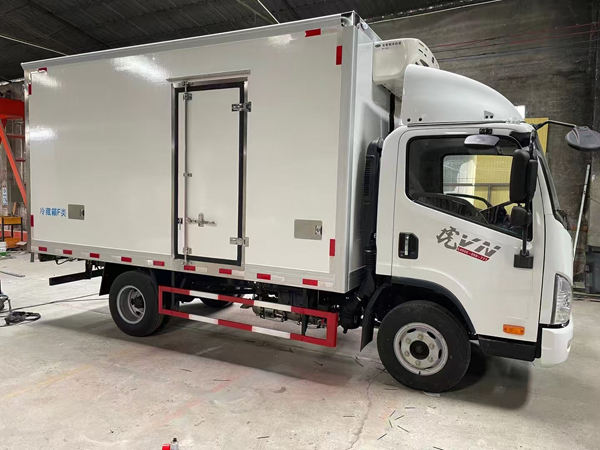
To maximize the performance of a thermo truck body, it is essential to match the FRP for Truck thickness to the specific component of the vehicle.
Recommended Thickness: 1.2mm FRP for Truck or 1.5mm FRP for Truck
Reasoning: The roof is the least susceptible to impact damage. Using a thinner gauge here reduces the overall center of gravity and weight, improving fuel economy. The white color maximizes solar reflection.
Recommended Thickness: 1.5mm FRP for Truck
Reasoning: This provides the standard durability for the majority of the body area. It resists wind buffeting, road debris, and minor impacts while keeping the overall weight manageable.
Recommended Thickness: 2mm FRP for Truck or 3mm FRP for Truck
Reasoning: The lower 12 to 24 inches of the sidewall are vulnerable to impacts from forklifts, pallets, and loading docks. Using a thicker FRP Coil for Truck Body in this zone acts as an integrated scuff plate, eliminating the need for external metal rub rails and providing a seamless, waterproof surface.
Recommended Thickness: 2mm FRP for Truck or 3mm FRP for Truck
Reasoning: The floor is the most stressed component. For standard delivery vans with hand pallet jacks, 2mm is sufficient. For heavy-duty logistics involving ride-on forklifts, 3mm is mandatory. The FRP floor, when bonded to a high-density foam core and supported by aluminum extrusions, provides a non-slip, waterproof, and durable walking surface.
For thermo truck body manufacturers, switching to FRP Coil for Truck streamlines the production process.
Unlike sheet goods which require stopping to reload, coils allow for continuous feed into automated presses. This increases throughput and reduces labor costs associated with material handling.
Coils minimize off-cut waste. Manufacturers can program cutting systems to utilize the exact length required for each body, reducing scrap rates compared to working with standard 8ft x 40ft sheets.
High-quality White FRP for Truck Body coils are manufactured under strict quality control, ensuring consistent thickness, fiber content, and color batch-to-batch. This consistency is critical for achieving uniform adhesive bonds during sandwich panel lamination.
The selection of the right FRP for Truck is a foundational decision in the construction of a high-performance thermo truck body. With the availability of 1.2mm FRP for Truck, 1.5mm FRP for Truck, 2mm FRP for Truck, and 3mm FRP for Truck, manufacturers have the flexibility to engineer each part of the vehicle for optimal strength, weight, and thermal efficiency.
Whether you are building a new fleet of refrigerated trailers or refurbishing existing bodies, the White FRP Coil offers the durability, hygiene, and insulation properties required for the modern cold chain. By utilizing these materials in a sandwich panel configuration with high-quality insulation foam, you ensure that the final product—the thermo truck body—delivers reliability and low total cost of ownership for years to come.
For manufacturers looking to standardize their production, adopting FRP Coil for Truck Body as the primary skin material is not just an upgrade; it is a move toward superior engineering. From the lightweight flexibility of 1.2mm to the heavy-duty resilience of 3mm, these FRP solutions are designed to meet the rigorous demands of the transportation industry.
Need to order White FRP Coil for your next thermo truck project?
Contact us today to discuss your specifications. We offer custom slitting services to match your required coil width and can supply the exact thickness—1.2mm, 1.5mm, 2mm, or 3mm—to meet your structural and thermal requirements. Ensure your fleet benefits from the best in White FRP for Truck Body technology.
Contact Information:
Email: lzpanels@163.com
WhatsApp/Wechat: +8613702432446


