
- All
- Product Name
- Product Keyword
- Product Model
- Product Summary
- Product Description
- Multi Field Search
 |


| Quantity: | |
|---|---|
In the world of modern construction and roofing, finding materials that combine durability, aesthetics, and functionality is paramount. Among the standout solutions gaining widespread adoption is the white fiber glass sheet for roof. Specifically, corrugated profiles made from fiberglass offer a unique set of benefits for residential, agricultural, and industrial applications. This comprehensive guide delves into the specifics of white corrugated fiber sheet for roof products, with a detailed focus on the three most common thicknesses: 1.5mm, 2mm, and 3mm. Whether you are a contractor, architect, or DIY enthusiast, understanding the properties and applications of these white fiber sheet materials will empower you to make an informed decision for your next roofing project.
At its core, a white fiber glass sheet is a composite material made from fine glass fibers embedded in a resin matrix. This combination results in a panel that is remarkably strong yet lightweight. When this material is formed into a corrugated or wavy profile, it becomes a corrugated fiber sheet for roof, designed to provide structural rigidity and superior weather resistance. The signature white color is not merely aesthetic; it offers high light reflectivity and translucency, which are critical for many roofing applications. These white fiber glass sheet for roof products are engineered to withstand harsh environmental conditions, including UV radiation, heavy rain, and temperature fluctuations, without corroding or losing their structural integrity like traditional metal sheets might.

Choosing a white fiber sheet for roof comes with a multitude of advantages that extend beyond basic covering.
Superior Light Transmission: Unlike opaque materials, a translucent white fiber glass sheet allows natural daylight to filter through, reducing the need for artificial lighting during the day. This is especially valuable for workshops, barns, greenhouses, and warehouses.
Excellent Durability: Fiberglass is inherently resistant to corrosion, rust, and chemical erosion. A white fiber glass sheet for roof does not react with water or most industrial atmospheres, ensuring a long lifespan.
Lightweight and Easy to Install: Compared to concrete tiles or metal sheets, white fiber sheet products are significantly lighter. This makes them easier to handle, transport, and install, often reducing overall labor costs and structural load requirements.
Thermal Insulation: The material provides better thermal insulation than bare metal, helping to moderate interior temperatures.
Aesthetic Appeal: The clean, bright appearance of a white corrugated fiber sheet for roof lends a modern, tidy look to any structure. The corrugated profile also adds visual texture and strength.
Weather Resistance: High-quality white fiber glass sheet for roof products are treated to resist yellowing and degradation from ultraviolet rays, ensuring they remain functional and attractive for years.
The corrugated design is a key feature that enhances the performance of a fiber sheet for roof. This wave-like pattern isn't just for looks; it significantly increases the panel's load-bearing capacity and stiffness, allowing it to span longer distances between supporting rafters or purlins. The channels created by the corrugations also facilitate efficient water runoff, preventing pooling and potential leakage—a critical factor for any white fiber sheet for roof. This profile also improves the panel's resistance to wind uplift. When considering a corrugated fiber sheet for roof, it's important to match the corrugation pattern with the existing or planned roof structure to ensure proper overlapping, sealing, and a uniform aesthetic.
The thickness of your white fiber glass sheet for roof is a primary determinant of its strength, durability, and suitable applications. Here’s a detailed breakdown of the three standard options.
The 1.5mm white fiber sheet for roof represents the entry-level thickness in this category. It is the most economical option and is perfectly suited for applications where extreme structural loads are not a concern.
Typical Uses: Ideal for garden sheds, lean-to covers, carports, small greenhouses, and interior partitioning. It's excellent for vertical cladding or roofing over small spans.
Advantages: This white fiber sheet offers maximum cost-effectiveness, the highest level of light transmission due to its thinner profile, and the easiest handling and cutting during installation.
Considerations: It is more flexible and has a lower impact resistance compared to thicker sheets. It is best used in areas with mild weather conditions and where the roof structure provides frequent support.
The 2mm white fiber sheet for roof is arguably the most popular and versatile choice for a wide range of projects. It strikes an optimal balance between strength, weight, and cost.
Typical Uses: This is the go-to white fiber glass sheet for roof for residential patio covers, standard agricultural buildings (like larger chicken coops or equipment sheds), factory side-lighting, and medium-span roof structures.
Advantages: It provides significantly improved rigidity and impact resistance over the 1.5mm variant without a substantial increase in weight or cost. It performs well in areas with moderate snow loads and higher winds.
Considerations: It offers a robust all-around performance for the majority of semi-structural and roofing applications, making it a safe and reliable choice.
For projects demanding the highest level of durability and load-bearing capacity, the 3mm white fiber sheet for roof is the premium solution.
Typical Uses: Essential for industrial roofing, large warehouses, airports, sports complexes, and agricultural buildings in regions prone to heavy snowfall or severe hail. It is also used in security applications and for fencing.
Advantages: This white corrugated fiber sheet for roof offers exceptional strength, outstanding impact resistance, and superior performance against heavy wind and snow loads. It provides the longest potential service life due to its robust construction.
Considerations: It is the heaviest and most expensive option. Its light transmission is slightly lower than thinner sheets, and it may require a stronger supporting structure due to its weight.
Proper installation is crucial to realizing the full benefits of your white fiber glass roofing. Always start by consulting local building codes and the manufacturer's guidelines. Ensure the supporting framework (purlins) is straight, level, and adequately spaced for your chosen thickness—typically closer spacing for 1.5mm sheets. Use appropriate fixings, such as stainless steel or galvanized screws with large neoprene sealing washers, to prevent water ingress. Drill holes slightly larger than the screw shaft to allow for thermal expansion and contraction of the white fiber sheet. Panels should be overlapped correctly according to the corrugation profile, and sealing tape is often recommended at the overlaps and ridges. Always prioritize safety by using proper fall protection when working on roofs.
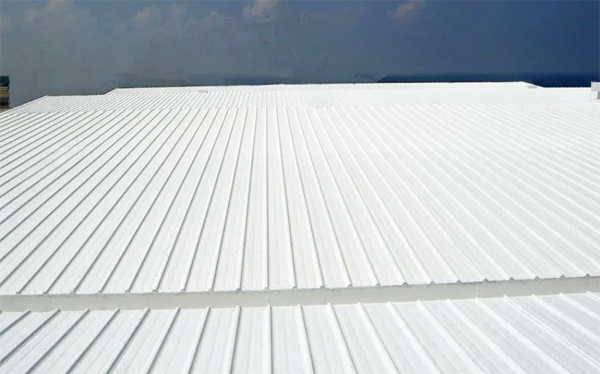
One of the compelling benefits of a white corrugated fiber sheet for roof is its low maintenance requirements. Periodic cleaning with mild soap and water is usually sufficient to remove dirt, algae, or debris that might accumulate and slightly reduce light transmission. Avoid using abrasive cleaners or tools that could scratch the surface. Inspect the roof annually for any cracks, particularly around fixing points, and ensure that sealing washers and end caps are intact. With proper installation and basic care, a high-quality white fiber glass sheet for roof can provide reliable service for 15 to 25 years or more, depending on the environmental conditions and thickness chosen.
While the initial purchase price increases with thickness—with the 1.5mm white fiber sheet for roof being the most budget-friendly and the 3mm white fiber sheet for roof commanding a premium—it's vital to consider the total cost of ownership. Thinner sheets may have lower upfront costs but might require more frequent replacement or repair in demanding environments, leading to higher long-term expenses. The 2mm white fiber sheet for roof often presents the best value for money for standard applications, offering durability without excessive cost. For permanent, critical structures, investing in the robust 3mm white fiber sheet for roof can mitigate future repair costs and provide peace of mind. Always factor in installation costs, which may be similar across thicknesses, and the potential energy savings from reduced lighting needs.
Selecting the right white fiber glass sheet for roof is a decision that hinges on your specific project requirements, budget, and local climate. The 1.5mm white fiber sheet for roof is an excellent choice for lightweight, cost-sensitive projects. The versatile 2mm white fiber sheet for roof stands as the reliable workhorse for the majority of residential and agricultural applications. For maximum durability and performance in harsh conditions, the 3mm white fiber sheet for roof is unmatched. By understanding the distinct properties of each thickness and the overarching benefits of white corrugated fiber sheet for roof materials, you can confidently choose a roofing solution that ensures durability, efficiency, and aesthetic appeal for years to come. Remember, a successful roofing project starts with the right fiber sheet for roof.
Contact us:
Email: lzpanels@163.com
WhatsApp/Wechat: 008613702432446


