
- All
- Product Name
- Product Keyword
- Product Model
- Product Summary
- Product Description
- Multi Field Search
 |


| Quantity: | |
|---|---|
In the ever-evolving world of interior design and construction, the quest for materials that combine aesthetic appeal, durability, and practicality is perpetual. Among the myriad options available, one product category has been steadily gaining prominence for its exceptional performance characteristics and versatile application potential. This comprehensive guide delves deep into the world of fiberglass interior panel solutions, with a specific focus on the 2.3mm thickness embossed and smooth white variants available in standardized sizes. These panels represent a significant advancement in wall covering technology, offering property owners, designers, and contractors an innovative alternative to traditional materials like drywall, vinyl, and wood paneling. The unique composition of these panels, combining the strength of glass fibers with the flexibility of resin binders, creates a wall solution that stands up to the demands of both residential and commercial environments while maintaining an impeccable appearance.
The transition toward fiberglass interior wall panel products reflects a broader industry shift toward materials that offer long-term value through reduced maintenance, enhanced durability, and improved hygiene characteristics. Unlike many conventional wall coverings that degrade over time when exposed to moisture, impact, or temperature fluctuations, fiberglass panels maintain their structural integrity and visual appeal through years of service. This guide will explore every facet of these remarkable panels, from their fundamental composition and manufacturing process to their specific applications and installation methodologies. Whether you're renovating a healthcare facility, upgrading a commercial kitchen, or simply seeking a superior wall solution for your residential project, understanding the capabilities of white fiberglass wall panels will empower you to make informed decisions that align with your performance requirements and design vision.
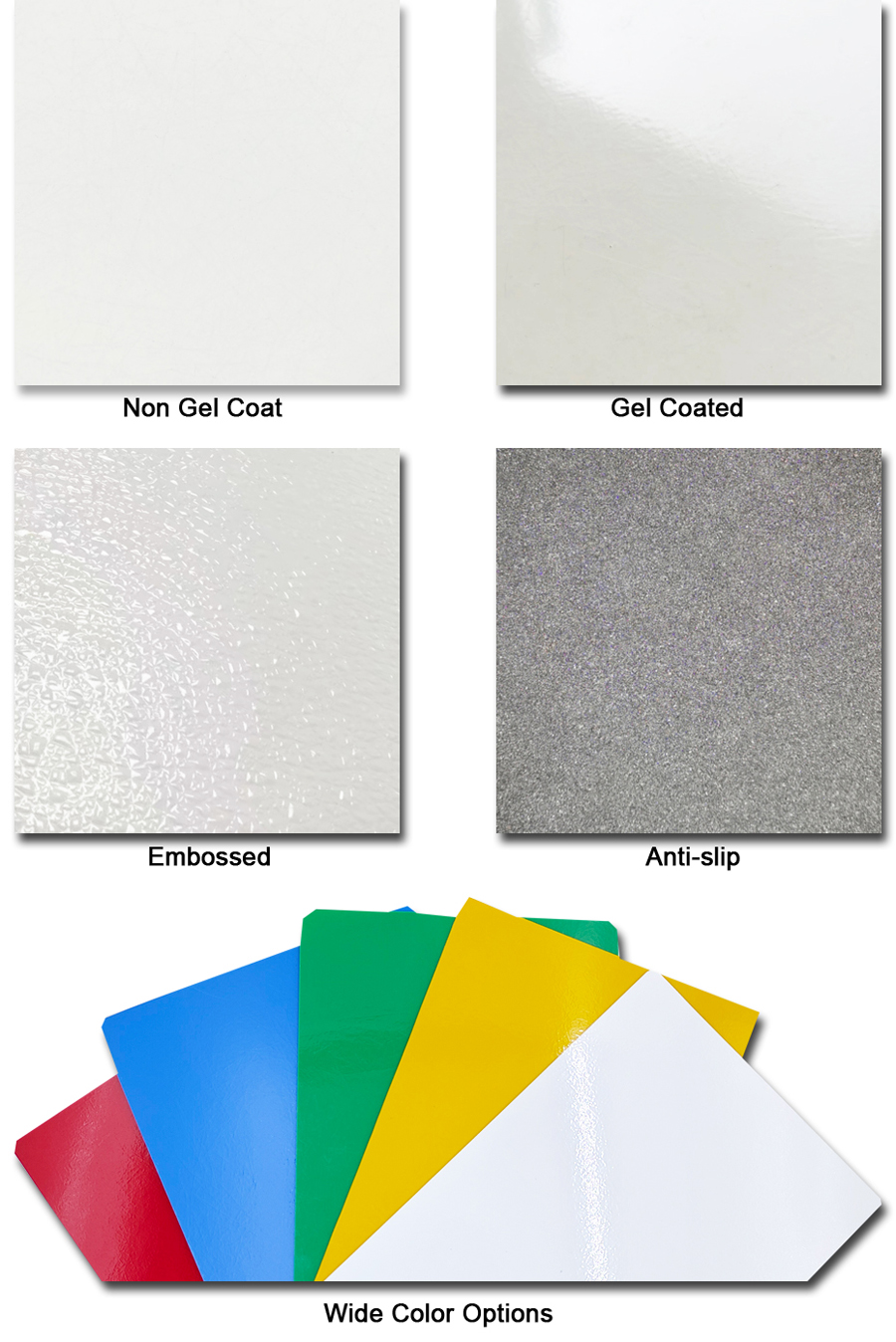
At its core, a fiberglass interior wall panel is a composite material formed by combining extremely fine glass fibers with resin binders under controlled manufacturing conditions. The resulting product is a sheet material that exhibits remarkable properties not found in traditional wall coverings. The glass fibers provide exceptional tensile strength and dimensional stability, while the resin matrix contributes waterproof characteristics and surface integrity. This synergistic combination yields a panel that is simultaneously rigid yet slightly flexible, impact-resistant, and impervious to moisture penetration—attributes that make it ideally suited for demanding interior environments where conventional materials often fail.
The manufacturing process begins with molten glass being drawn into ultra-fine filaments, which are then woven into a mat-like substrate. This fiberglass mat serves as the reinforcement layer that gives the panel its structural backbone. The mat is then saturated with specially formulated resins—typically polyester or epoxy-based compounds—that permeate the fibrous network. Through a process of heat and pressure curing, the resin hardens, locking the glass fibers in place and creating a unified, homogeneous sheet material. The surface is then finished with either a smooth or textured pattern, depending on the desired aesthetic, and coated with a consistent white pigmentation that provides both visual appeal and a reflective surface quality.
The specific dimension of 2.3mm represents an optimal balance between performance characteristics and practical considerations for a 2.3mm fiberglass interior wall panel. This thickness has been engineered to provide sufficient rigidity for wall applications while maintaining enough flexibility to accommodate minor substrate irregularities without cracking or deforming. Thinner panels may compromise on impact resistance and feel insubstantial, while thicker options add unnecessary weight and cost without proportional performance benefits for most interior applications. The 2.3mm specification ensures that the panels have the structural integrity to span between wall studs or over existing surfaces without sagging or bowing, while still being lightweight enough for straightforward handling during installation.
From a performance perspective, the 2.3mm thickness contributes significantly to the panel's durability profile. This dimension provides enough material depth to resist denting from incidental impacts that commonly occur in high-traffic environments. The thickness also enhances the panel's insulating properties, both thermal and acoustic, creating a more comfortable interior environment. Additionally, the 2.3mm dimension allows for adequate resin saturation throughout the fiberglass matrix, ensuring consistent waterproofing capabilities across the entire panel surface. This thorough impregnation prevents water infiltration that could otherwise lead to delamination, mold growth, or structural degradation over time—common failure points in many alternative wall covering materials.
Smooth fiberglass interior wall panel options offer a clean, contemporary appearance that aligns with modern design sensibilities. The flawlessly flat surface creates a seamless visual plane that reflects light uniformly, enhancing brightness in interior spaces and making rooms feel more open and expansive. This characteristic is particularly valuable in environments where hygiene is paramount, as the non-porous, uninterrupted surface prevents the accumulation of dirt, bacteria, and other contaminants. The absence of texture means there are no grooves or indentations where microbial growth can take hold, making smooth panels an excellent selection for healthcare facilities, laboratories, food processing areas, and other settings where sanitation is a primary concern.
Beyond their hygienic advantages, smooth panels offer practical benefits throughout their lifecycle. The uniform surface is exceptionally easy to clean, typically requiring only a simple wipe-down with mild detergents to maintain its like-new appearance. This low-maintenance characteristic translates to reduced long-term cleaning costs and less downtime for facilities where continuous operation is important. The reflective quality of the smooth white surface can also contribute to energy efficiency by enhancing ambient lighting effectiveness, potentially reducing the need for artificial illumination during daylight hours. For applications where a pristine, minimalist aesthetic is desired—such as modern offices, retail environments, or residential interiors—the smooth fiberglass interior wall panel provides an ideal solution that balances visual appeal with uncompromising performance.
Embossed fiberglass interior wall panel varieties introduce a subtle texture to the surface that provides both visual interest and functional benefits. The embossing process creates a three-dimensional pattern on the panel face, typically mimicking the look of finely textured fabric or leather. This surface treatment helps to disguise minor imperfections in the underlying wall substrate that might telegraph through smoother alternatives. The textured surface also excels at concealing scratches, scuffs, and other signs of wear that inevitably occur in high-traffic environments, making embossed panels particularly well-suited for applications where maintaining appearance despite heavy use is important.
The tactile quality of embossed fiberglass interior wall panel products offers more than just visual appeal. The texture provides a slightly slip-resistant surface that can be advantageous in certain environments. Additionally, the pattern breaks up light reflection in a way that reduces glare while still maintaining good light diffusion properties. This makes embossed panels an excellent choice for spaces where visual comfort is important, such as educational facilities, offices, and healthcare waiting areas. The texture also helps to mask joint lines between panels, creating a more seamless overall appearance even when large wall surfaces are covered. For retrofit applications where existing wall conditions are less than perfect, the embossing pattern can help compensate for substrate irregularities that might be visible with completely smooth alternatives.
The selection of white as the standard color for white fiberglass interior panel products is rooted in both practical and psychological considerations. From a functional standpoint, white surfaces maximize light reflection, enhancing illumination efficiency within interior spaces and reducing the need for artificial lighting during daylight hours. This characteristic can contribute to energy savings over time, particularly in commercial settings where lighting constitutes a significant portion of energy consumption. The reflective quality also makes spaces feel more open and expansive, an valuable attribute in applications where creating a sense of spaciousness is desirable despite physical constraints.
The white fiberglass interior wall panel also offers a neutral foundation that provides maximum design flexibility. White serves as an ideal backdrop for virtually any color scheme or design aesthetic, allowing other elements within the space to take visual precedence. In healthcare settings, the clean, bright appearance of white panels contributes to a perception of cleanliness and sterility that is reassuring to patients and visitors. In residential applications, white walls create a timeless canvas that accommodates evolving decor preferences without requiring material replacement. The non-yellowing properties of high-quality fiberglass panels ensure that this bright white appearance remains consistent over time, unlike some plastic-based alternatives that can oxidize and discolor with prolonged exposure to UV light.
The unique properties of fiberglass interior wall panel products make them suitable for an exceptionally broad range of applications across multiple sectors. In commercial settings, they excel in environments with stringent hygiene requirements such as healthcare facilities, laboratories, pharmaceutical production areas, and food processing plants. Their impermeability to moisture makes them ideal for areas with high humidity or frequent cleaning, including restrooms, locker rooms, swimming pool enclosures, and commercial kitchens. The impact-resistant qualities of fiberglass panels provide excellent performance in high-traffic corridors, educational institutions, and public transportation facilities where walls are subject to frequent contact.
In residential applications, fiberglass interior wall panel solutions offer premium performance in moisture-prone areas like bathrooms, kitchens, and laundry rooms where traditional drywall is vulnerable to damage. Their durability makes them an excellent choice for children's rooms, play areas, and other spaces where walls might be subject to rough treatment. The easy-clean surface is valuable in homes with pets or residents with allergies, as the non-porous surface doesn't harbor allergens and can be thoroughly wiped down. Beyond these practical applications, the clean aesthetic of fiberglass panels makes them increasingly popular in modern residential interiors where homeowners seek low-maintenance materials that maintain their appearance over time without requiring repainting or refinishing.
The fiberglass interior wall panel 4'x8' represents the industry standard size that aligns with conventional construction practices and material availability. This dimension corresponds to the typical spacing of wall studs in both residential and commercial framing, making installation straightforward with minimal cutting or waste. The 4-foot width spans perfectly between standard 16-inch or 24-inch on-center stud configurations, while the 8-foot height accommodates standard ceiling heights in many construction projects. This dimensional compatibility simplifies the installation process, reduces labor time, and minimizes material waste—all factors that contribute to overall project efficiency and cost-effectiveness.
The practical advantages of the fiberglass interior wall panel 4'x8' extend beyond mere dimensional correspondence. These panels are manageable by a two-person installation team without requiring specialized equipment for positioning. The weight-to-size ratio strikes an optimal balance between coverage area and handling practicality. For renovation projects, the 4'x8' dimension often allows for direct over-cladding of existing damaged walls without the need for complete demolition—a significant time and cost savings. The widespread availability of this size means shorter lead times and more competitive pricing compared to custom dimensions. For the majority of applications, the fiberglass interior wall panel 4'x8' provides the most practical solution that balances performance, installation efficiency, and material economics.
The fiberglass interior wall panel 4'x9' addresses the need for taller wall coverage in spaces with elevated ceiling heights. As architectural trends increasingly favor more voluminous interiors with ceilings extending beyond the standard 8-foot height, this extended dimension provides a seamless solution without requiring horizontal seams that can compromise both aesthetics and performance. The additional foot of height means that in many 9-foot ceiling applications, a single panel can span from floor to ceiling, eliminating mid-wall joints that accumulate dirt, create visual breaks, and represent potential failure points for moisture intrusion.
The practical benefits of the fiberglass interior wall panel 4'x9' are particularly evident in commercial and high-end residential applications where premium aesthetics are paramount. The reduction in visible seams creates a more monolithic appearance that enhances the perception of quality and attention to detail. From a performance perspective, fewer seams mean fewer opportunities for moisture penetration or bacterial colonization—a critical consideration in healthcare, food service, and laboratory environments. While slightly more challenging to handle due to their extended length, fiberglass interior wall panel 4'x9' products offer installation efficiencies by reducing the total number of seams that must be sealed and finished. This can result in net labor savings despite the additional handling considerations.
For applications with even more generous ceiling heights, the fiberglass interior wall panel 4'x10' provides an optimal solution that maximizes seamless coverage. This dimension accommodates the growing trend toward 10-foot ceilings in both residential and commercial construction, offering the same benefits of reduced seams and enhanced aesthetics as the 9-foot option, but for taller spaces. The ability to cover wall surfaces in a single vertical panel eliminates the need for horizontal backing members that would otherwise be required to support seam connections between shorter panels.
The fiberglass interior wall panel 4'x10' is particularly valuable in applications where creating a continuous, unimpeded wall surface is functionally important. In cleanrooms, laboratories, and healthcare settings, minimizing seams directly correlates with improved cleanability and reduced potential for microbial harborage. In high-moisture environments like indoor pools or shower facilities, fewer seams mean fewer potential failure points for water penetration. While handling these longer panels requires careful planning and potentially additional manpower, the long-term benefits of reduced maintenance and enhanced performance often justify the additional installation consideration. The fiberglass interior wall panel 4'x10' represents the premium solution for projects where maximizing seamless coverage aligns with both aesthetic goals and performance requirements.

Successful installation of white fiberglass interior wall panel products begins with thorough planning and proper substrate preparation. Unlike some wall coverings that can conceal underlying imperfections, fiberglass panels require a structurally sound and properly prepared backing surface to ensure optimal performance and appearance. The substrate—whether existing wall surface or new construction—must be clean, dry, and free of contaminants that could interfere with adhesion. Any protrusions, significant depressions, or other irregularities should be addressed before panel installation begins, as these may telegraph through the rigid panel surface or create installation challenges.
Proper acclimation of the white fiberglass interior panel materials to the installation environment is another critical pre-installation consideration. Panels should be brought into the space at least 48 hours before installation, still in their protective packaging, to normalize to the ambient temperature and humidity conditions. This acclimation period minimizes dimensional changes after installation that could affect seam integrity or panel flatness. Careful layout planning is equally important, particularly when working with multiple panel sizes or incorporating design elements like accent strips or contrasting materials. Taking the time to establish reference lines and plan seam placement to avoid problematic areas will result in a more professional installation with enhanced long-term performance.
The installation methodology for fiberglass interior wall panel products varies depending on the specific application and substrate conditions, but several universal best practices apply regardless of the specific circumstances. For adhesive applications, following the manufacturer's recommendations for trowel size, adhesive selection, and open time is essential for achieving proper bond strength. Mechanical fasteners, when required, should be selected based on substrate composition and installed with consistent spacing and proper depth setting to ensure secure attachment without damaging the panel surface. Following a consistent installation sequence—typically working from a established starting point outward—helps maintain alignment and minimizes cumulative layout errors.
When working with embossed fiberglass interior wall panel products, particular attention should be paid to pattern alignment at seams to maintain visual continuity across the wall surface. Similarly, with smooth fiberglass interior wall panel varieties, extra care during handling helps prevent surface scratches that might be visible in certain lighting conditions. Seam treatment represents another critical aspect of the installation process. Properly designed and executed seams are essential for both aesthetic continuity and long-term performance, particularly in environments where hygiene or moisture resistance is important. Using manufacturer-recommended seam treatment materials and techniques ensures that joints between panels maintain the same performance characteristics as the panels themselves.
One of the most significant advantages of white fiberglass interior panel products is their exceptionally low maintenance requirements compared to many alternative wall surfaces. The non-porous nature of the material prevents absorption of stains or odors, while the durable surface resists scratching, scuffing, and impact damage that would compromise other materials. For routine cleaning, typically nothing more than a soft cloth or sponge with mild detergent and warm water is required. The smooth surface varieties can often be maintained with even less effort, as many common stains can be simply wiped away with a damp cloth without requiring any cleaning chemicals.
For embossed fiberglass interior wall panel products, the textured surface may occasionally benefit from gentle brushing with a soft-bristled brush to remove debris that can accumulate in the low areas of the pattern. In healthcare or food service applications where sanitization is required, most common disinfectants can be used without damaging the panel surface, though it's always prudent to verify compatibility with specific cleaning agents before widespread application. Unlike painted surfaces that require periodic repainting, or wallpaper that may peel or fade over time, white fiberglass interior wall panel products maintain their appearance without these recurring maintenance activities, representing significant long-term savings in both materials and labor costs.
While fiberglass interior wall panel products are exceptionally durable, circumstances may occasionally require repair of damaged sections. The repair methodology depends on the extent and nature of the damage. For minor scratches or scuffs that penetrate the surface coating, specially formulated touch-up materials matching the original panel color can restore appearance without requiring panel replacement. More significant damage—such as punctures or impact fractures—typically requires section replacement, which is facilitated by the panelized nature of the installation. The modular characteristic of fiberglass interior wall panel 4'x8', 4'x9', or 4'x10' installations means that individual panels can often be replaced without disturbing adjacent materials.
The long-term performance of 2.3mm fiberglass interior wall panel products is one of their most valuable attributes. Unlike many building materials that degrade over time, high-quality fiberglass panels maintain their structural integrity and appearance for decades with proper installation and minimal maintenance. The color stability of the white surface ensures that the bright, clean appearance remains consistent without yellowing or fading, even in applications with significant light exposure. This longevity, combined with the minimal maintenance requirements, makes white fiberglass interior panel solutions an economically advantageous choice when evaluated through a life-cycle cost perspective rather than merely considering initial installation expense.
The diverse range of fiberglass interior wall panel products available today represents a significant advancement in wall covering technology that addresses the limitations of traditional materials while offering enhanced performance characteristics. The specific combination of 2.3mm thickness, white coloration, and choice between smooth and embossed surfaces creates a versatile product category suitable for virtually any interior application. Available in the practical sizes of fiberglass interior wall panel 4'x8', 4'x9', and 4'x10', these panels provide solutions for standard and specialized dimensional requirements alike.
Whether selecting a smooth fiberglass interior wall panel for environments where hygiene is paramount or an embossed fiberglass interior wall panel for applications where visual interest and wear concealment are valued, the fundamental benefits remain consistent. The moisture resistance, impact durability, easy maintenance, and long service life of these panels deliver value that extends far beyond their initial installation. As building owners, designers, and contractors increasingly recognize the life-cycle advantages of high-performance materials, white fiberglass interior panel products continue to gain market acceptance across residential, commercial, and institutional sectors.
The comprehensive exploration of 2.3mm fiberglass interior wall panel products presented in this guide demonstrates why these materials represent such a compelling choice for modern construction and renovation projects. By combining practical performance characteristics with aesthetic versatility, they address the evolving needs of contemporary built environments while providing long-term value through reduced maintenance and extended service life. As material technology continues to advance, fiberglass panels will likely incorporate additional enhancements, but the fundamental benefits that make today's products so valuable will undoubtedly remain at the core of their appeal.
Contact us:
Email: lzpanels@163.com
WhatsApp/Wechat: 008613702432446


