
- All
- Product Name
- Product Keyword
- Product Model
- Product Summary
- Product Description
- Multi Field Search
 |


| Quantity: | |
|---|---|
In the demanding world of logistics and perishable goods transport, the integrity of the temperature-controlled vehicle body is paramount. Every component must work in harmony to maintain a consistent internal environment, regardless of external conditions. At the heart of this thermal defense system lies the material used for the vehicle's structure. Enter the advanced white FRP panel coil, a revolutionary material engineered specifically for high-performance applications. This comprehensive guide delves into the specifics of a 2.5-meter wide, 1.5mm and 2mm thick FRP panel coil for temperature-controlled vehicle manufacturing, exploring its features, benefits, and the transformative impact it has on the cold chain industry. Unlike standard materials, this solution combines the structural strength of Fiberglass Reinforced Plastic (FRP) with a core of thermal insulation foam, creating a monolithic, robust, and highly efficient panel system that is redefining industry standards for durability, hygiene, and thermal efficiency.
An FRP panel coil is a continuous, unformed sheet of Fiberglass Reinforced Plastic. Think of it as a giant roll of raw material, ready to be fabricated into specific shapes and profiles. The "white" designation refers to the standard gel coat finish, which offers a bright, clean, and highly reflective surface. The core innovation in the product we are discussing is its composite nature. It is not a single layer of FRP but a sophisticated sandwich panel where two layers of FRP skin are bonded to a central core of rigid polyurethane (PUR) or polyisocyanurate (PIR) foam. This combination creates a material that is far superior to the sum of its parts, offering exceptional properties crucial for building reliable temperature-controlled vehicle bodies.
A FRP panel for temperature-controlled vehicle is not just a cladding material; it is an integral part of the refrigeration system. The primary function of the white FRP panel coil in this context is to create a continuous thermal barrier. This barrier minimizes heat transfer between the external environment and the insulated interior space, ensuring that refrigerated units work efficiently without overexertion. The seamless construction, achievable from a coil, reduces thermal bridges—weak spots where heat can easily pass through—resulting in significant energy savings and more precise temperature control for sensitive cargo like pharmaceuticals, food, and chemicals.

The foam core within the white FRP panel coil is the key to its exceptional insulation properties. Polyurethane and polyisocyanurate foams are renowned for their low thermal conductivity, meaning they are excellent at resisting heat flow. When this foam is laminated between two FRP skins, it creates a panel with a very high R-value (a measure of thermal resistance). This directly translates to reduced energy consumption for the vehicle's refrigeration unit, as it requires less power to maintain the desired temperature. For businesses operating fleets of temperature-controlled vehicle, this efficiency gain leads to substantial fuel savings and a lower carbon footprint.
Despite its lightweight nature, the FRP panel coil delivers remarkable structural integrity. The FRP skins provide a hard, impact-resistant surface that can withstand the rigors of daily transportation, including loading and unloading, road debris, and minor impacts. The foam core acts as a stabilizer, distributing stress across the entire panel and preventing localized damage. This durability ensures a long service life for the vehicle body, reducing maintenance costs and downtime. The strength of a 2mm white FRP panel is particularly notable, offering enhanced rigidity for larger vehicle sidewalls or floors.
In transportation, weight is directly linked to cost and payload capacity. Traditional materials like steel or aluminum can be heavy, limiting the amount of cargo a vehicle can legally carry. The composite nature of the white FRP panel coil results in a significantly lighter material compared to its metal counterparts. This weight reduction allows for a higher payload capacity, meaning each trip can be more profitable. Furthermore, a lighter vehicle body contributes to improved fuel efficiency, adding another layer of operational savings.
The smooth, non-porous gel coat finish of the white FRP panel is inherently hygienic. It resists the growth of mold, mildew, and bacteria, which is a critical requirement for transporting food products and pharmaceuticals. The bright white surface is also easy to clean and sanitize, ensuring compliance with strict industry regulations like those from the FDA and USDA. The reflective property of the white color also helps in reflecting radiant heat, contributing marginally to the overall thermal performance of the temperature-controlled vehicle.
Vehicles in the cold chain are frequently exposed to moisture, corrosive cleaning agents, and various chemical spills. The FRP panel for temperature-controlled vehicle is highly resistant to a wide range of chemicals and will not rust or corrode like metal panels. This resistance ensures the vehicle's exterior and interior remain in excellent condition for years, even in harsh operating environments, such as coastal areas or those with frequent freeze-thaw cycles.
The 2.5m white FRP panel coil width is a strategically important dimension in vehicle body manufacturing. This substantial width allows for the creation of larger, seamless wall and roof sections. Fewer seams and joints in the paneling mean:
Reduced Thermal Bridging: Fewer gaps where insulation is compromised.
Faster Assembly: Larger panels cover more area, speeding up the manufacturing process of the vehicle body.
Enhanced Structural Integrity: A continuous panel provides better overall strength and resistance to flexing.
Improved Aesthetics: A cleaner, more streamlined appearance for the finished vehicle.
The choice between a 1.5mm white FRP panel and a 2mm white FRP panel depends on the specific structural and budgetary requirements of the vehicle.
The 1.5mm frp panel coil is an excellent choice for applications where weight savings are a top priority and the structural demands are moderate. It is perfectly suited for:
Interior linings for trailers and truck bodies.
Ceiling and roof panels where extreme impact resistance is not the primary concern.
Non-structural partitions and walls within a larger framework.
Applications for lighter-duty vehicles or van conversions.
The 2mm frp panel coil is the heavy-duty option, designed for maximum durability and structural support. It is the preferred material for:
Exterior sidewalls and roofs of large refrigerated trailers and containers.
High-wear areas such as flooring systems.
Applications where the panel must be self-supporting over longer spans.
Environments where the vehicle is subject to rough handling or frequent impacts.
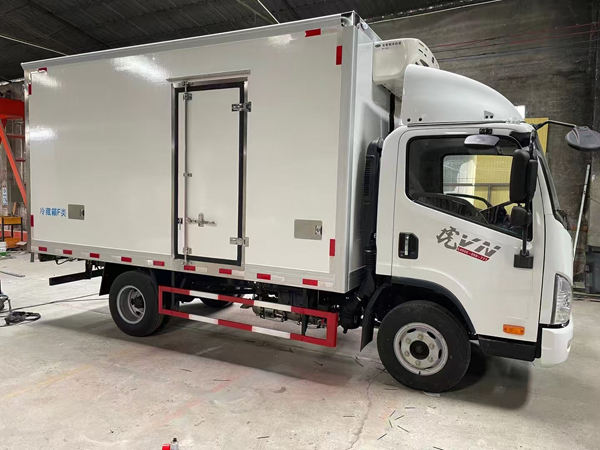
Our FRP panel coil for temperature-controlled vehicle is not an off-the-shelf product; it is a precision-engineered solution. We understand that the performance of your cold chain depends on the quality of your equipment. Our panels are manufactured under strict quality controls to ensure consistent foam density, perfect skin bonding, and uniform thickness. This results in a product that delivers reliable thermal performance and structural strength year after year, protecting your valuable cargo and your business reputation.
The coil format of our product offers unparalleled flexibility for vehicle body manufacturers. Unlike pre-formed sheets, a white FRP panel coil can be fed through roll-forming machines to create custom profiles, lengths, and shapes tailored to a specific vehicle design. This allows for innovative body structures and the ability to accommodate unique customer requirements. Whether you need a specific profile for a corner or a custom length for a seamless roof, the coil form factor makes it possible.
While the initial investment in a high-quality FRP panel for temperature-controlled vehicle might be higher than some alternatives, the Total Cost of Ownership (TCO) is significantly lower. The combination of reduced fuel costs (from lighter weight and better insulation), minimal maintenance (no rust or corrosion), extended vehicle life, and increased payload capacity leads to substantial long-term savings and a higher return on investment.
The evolution of the cold chain logistics industry is intrinsically linked to advancements in material science. The development of the 2.5m wide, 1.5mm and 2mm thick white FRP panel coil represents a quantum leap in this field. By seamlessly integrating a robust FRP surface with a high-performance foam core, this material provides an unbeatable combination of thermal efficiency, structural strength, lightweight properties, and hygienic benefits. Choosing the right specification—be it the versatile 1.5mm frp panel coil or the heavy-duty 2mm frp panel coil—allows manufacturers to optimize their designs for performance and economy. As the demand for reliable temperature-controlled transport grows, investing in a superior FRP panel coil for temperature-controlled vehicle is no longer an option but a necessity for any business aiming to lead in efficiency, reliability, and sustainability. Embrace this advanced material technology and build the future of the cold chain today.
Contact us:
Email: lzpanels@163.com
WhatsApp/Wechat: 008613702432446


