
- All
- Product Name
- Product Keyword
- Product Model
- Product Summary
- Product Description
- Multi Field Search
 |


| Quantity: | |
|---|---|
The trailer manufacturing industry is undergoing a significant transformation, driven by innovations in material science and composite technology. At the forefront of this revolution are specialized fiberglass sheet for trailers products, specifically engineered to meet the rigorous demands of modern transportation equipment. These sheets serve as the critical exterior layer in composite panel systems, offering unparalleled durability, weather resistance, and aesthetic versatility. The introduction of standardized 2mm thickness and 2000mm width dimensions has streamlined manufacturing processes while providing enhanced structural performance. This comprehensive guide explores the technical specifications, manufacturing benefits, and practical applications of both glossy and matte finishes in white and grey color options, providing trailer manufacturers with essential knowledge to optimize their production systems and deliver superior end products to their customers.
Fiberglass sheet for trailers represents a sophisticated composite material engineered through a precise manufacturing process. These sheets are typically composed of multiple layers of glass fiber reinforcement embedded within a thermosetting polymer matrix, most commonly polyester or epoxy resin. The manufacturing process begins with the continuous production of fiberglass mats, which are then impregnated with resin and subjected to controlled heat and pressure to achieve optimal consolidation. This process creates a homogeneous material with exceptional mechanical properties, including high tensile strength, impact resistance, and dimensional stability. The standardized 2mm thickness provides an ideal balance between structural performance and weight considerations, while the 2000mm width accommodates efficient panel production with minimal waste. The surface finishes—whether glossy or matte—are integrated during manufacturing through specialized release films or post-production treatments, ensuring consistent aesthetic quality throughout the entire roll.
The performance characteristics of fiberglass sheet for trailers make them particularly suitable for demanding transportation applications. These materials exhibit exceptional resistance to environmental degradation, including UV radiation, moisture penetration, and temperature extremes ranging from -40°C to +80°C. The 2mm thickness specification provides optimal rigidity for trailer side panels while maintaining sufficient flexibility to withstand road-induced vibrations and minor impacts without permanent deformation. The tensile strength typically exceeds 100 MPa, with flexural strength ratings surpassing 150 MPa, ensuring structural integrity under various loading conditions. Additionally, these sheets demonstrate excellent chemical resistance to fuels, lubricants, and road salts, preserving both functionality and appearance throughout the trailer's service life. The fire-retardant properties, typically achieving UL94 V-0 classification, provide an essential safety margin for transportation applications where fire risks must be minimized.
The glossy white fiberglass sheet for trailers represents the industry standard for many transportation applications, combining visual appeal with practical benefits. The high-gloss surface achieves reflectivity ratings of 85-90%, significantly enhancing trailer visibility in low-light conditions while providing passive thermal management by reflecting solar radiation. This reflective property translates to reduced heat absorption, minimizing interior temperature increases and associated cooling loads for refrigerated units. The 2mm glossy white fiberglass sheet specification ensures sufficient substrate thickness to maintain surface planarity, preventing the "print-through" effect where underlying structural patterns might become visible on the finished surface. From a maintenance perspective, the non-porous glossy surface resists dirt accumulation and facilitates easy cleaning, preserving the professional appearance of fleet assets with minimal effort. The bright white base color also provides an ideal background for corporate branding elements, allowing for vibrant color reproduction in fleet livery applications.
For trailer manufacturers seeking a more understated aesthetic without sacrificing performance, matte white fiberglass sheet for trailers offers an compelling alternative. The matte finish achieves reflectivity ratings of 15-25%, effectively minimizing glare while maintaining a clean, professional appearance. This characteristic makes matte finishes particularly suitable for trailer applications where light reflection might create operational challenges, such as in shipping yards or industrial facilities with specific lighting requirements. The 2mm matte white fiberglass sheet construction provides the same structural benefits as its glossy counterpart while offering superior ability to conceal minor surface imperfections and handling marks. The matte surface texture also demonstrates enhanced resistance to scratching and abrasion during loading operations, maintaining its appearance through rigorous use. Additionally, the matte finish provides excellent adhesion for temporary markings or identification systems, making it particularly suitable for rental fleets or trailers that require frequent remarking for different assignments.
The glossy grey fiberglass sheet for trailers has gained significant market traction for applications where visual sophistication meets practical requirements. The grey pigmentation provides a neutral, professional appearance while offering functional advantages in certain operating environments. Unlike white surfaces that may show discoloration from industrial pollutants or diesel exhaust, the grey coloration maintains consistent appearance with less frequent cleaning. The 2mm glossy grey fiberglass sheet delivers the same reflective properties as white versions (85-90% reflectivity) while providing slightly higher heat absorption for applications where thermal management priorities differ. The gloss finish ensures easy cleanability while creating visual depth that enhances the perception of quality. From a design perspective, the grey base color provides greater flexibility for accent coloring and branding elements, allowing trailer manufacturers to create distinctive visual identities for their clients while maintaining the practical benefits of fiberglass construction.
The uniform 2mm thickness specification represents a critical advancement in trailer panel manufacturing, offering numerous technical and production advantages. This specific dimension provides the optimal balance between mechanical performance, weight efficiency, and manufacturing practicality. From a structural perspective, the 2mm thickness delivers sufficient rigidity to resist deflection under aerodynamic loads and internal cargo pressures while maintaining flexibility to absorb road-induced vibrations without developing stress cracks. The consistent thickness ensures predictable performance in composite panel lamination processes, allowing manufacturers to maintain tight tolerances in finished panel dimensions. Additionally, the 2mm specification aligns with international transportation regulations regarding vehicle width limitations, maximizing available cargo space while maintaining compliance. The material weight at this thickness—typically 2.4-2.6 kg/m²—contributes to overall weight reduction initiatives without compromising durability or service life.
The adoption of 2000mm fiberglass sheet for trailers as an industry standard width has revolutionized panel manufacturing efficiency and material utilization. This dimension aligns perfectly with standard trailer height requirements, minimizing longitudinal seams and associated potential failure points in panel construction. The 2000mm fiberglass sheet for trailers width allows manufacturers to produce full-height trailer side panels with a single vertical joint, significantly reducing assembly time and improving structural continuity. This width optimization also translates to reduced material waste during the cutting process, with utilization rates typically exceeding 95% compared to narrower alternatives. From a handling perspective, the 2000mm width remains manageable within standard manufacturing facilities without requiring specialized equipment for material movement and positioning. The consistency of this dimension across the industry has also streamlined the supply chain, allowing manufacturers to maintain lower inventory levels while ensuring production continuity.
The transformation of fiberglass sheet for trailers from roll goods to finished composite panels represents a sophisticated manufacturing process that directly impacts trailer performance and longevity. The production typically begins with precision slitting of the master rolls into appropriate widths for specific trailer applications. These slit rolls are then positioned in continuous lamination systems where they are combined with core materials—typically polystyrene, polyurethane, or composite foams—under controlled temperature and pressure conditions. The 2mm thickness specification proves particularly advantageous in this process, providing sufficient resin content to ensure complete bonding with the core material while maintaining dimensional stability throughout the curing cycle. The surface finish—whether glossy or matte—is protected during this process through specialized release films that preserve the aesthetic quality until the panels are ready for assembly. This integrated manufacturing approach ensures consistent quality throughout the panel, with the fiberglass sheet providing both exterior protection and structural reinforcement.
Implementing rigorous quality control protocols throughout the panel fabrication process is essential to ensuring the long-term performance of trailers utilizing fiberglass sheet for trailers products. Advanced manufacturing facilities employ automated inspection systems to verify critical parameters including thickness consistency, surface quality, and mechanical properties before the material enters the lamination process. Post-lamination, finished panels undergo comprehensive testing to verify bond integrity, thermal performance, and structural capabilities. The 2mm glossy white fiberglass sheet and its variants must demonstrate consistent performance across these parameters to meet industry standards. Specific testing protocols typically include thermal cycling to simulate environmental exposure, mechanical loading to verify structural capacity, and accelerated weathering to predict long-term appearance retention. These rigorous controls ensure that trailers manufactured with these materials deliver reliable performance throughout their service life, regardless of operating conditions or climatic challenges.
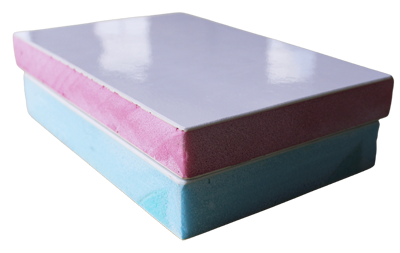
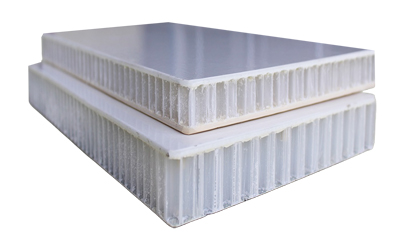
Selecting the appropriate fiberglass sheet for trailers finish requires careful consideration of operational requirements, maintenance capabilities, and aesthetic priorities. The glossy white fiberglass sheet for trailers typically demonstrates superior cleanability and stain resistance, making it ideal for food transportation, pharmaceutical hauling, and other applications where hygiene and appearance are paramount. The matte white fiberglass sheet for trailers offers enhanced ability to conceal surface imperfections and reduced glare, proving advantageous for construction equipment, industrial applications, and situations where light reflection might create operational challenges. The glossy grey fiberglass sheet for trailers provides a professional appearance with practical maintenance benefits in environments with high particulate pollution or diesel exhaust. The 2mm matte white fiberglass sheet variant has gained particular popularity for rental fleets and equipment trailers where scratch resistance and marking adaptability provide operational advantages. Understanding these nuanced performance differences allows trailer manufacturers to make informed material selections aligned with their customers' specific operational profiles.
While initial material costs represent one consideration in finish selection, comprehensive evaluation requires examination of total lifecycle costs and long-term value retention. The glossy white fiberglass sheet for trailers typically commands a modest premium over matte alternatives but may deliver offsetting benefits through reduced cleaning costs, enhanced reflectivity for temperature management, and potentially higher resale values. The matte white fiberglass sheet for trailers often demonstrates superior durability in high-abuse environments, potentially extending service intervals and reducing appearance-related refurbishment costs. The 2mm glossy grey fiberglass sheet offers a balanced proposition, combining the maintenance benefits of grey pigmentation with the cleanability of a gloss surface. Beyond direct costs, manufacturers must consider regulatory compliance, particularly for refrigerated trailers where solar reflectivity directly impacts thermal performance and energy consumption. This comprehensive evaluation framework ensures that finish selection aligns with both operational requirements and economic objectives.
The application of fiberglass sheet for trailers extends across numerous transportation segments, each with unique requirements driving material selection. For over-the-road dry van trailers, the glossy white fiberglass sheet for trailers remains the dominant choice, maximizing visibility and brand presentation while facilitating temperature management. Refrigerated transport applications particularly benefit from the solar reflectivity of 2mm glossy white fiberglass sheet products, reducing heat gain and associated energy consumption for cooling systems. Flatbed and specialized equipment trailers increasingly utilize matte white fiberglass sheet for trailers for headache racks and side panels, where reduced glare and enhanced durability provide operational advantages. The glossy grey fiberglass sheet for trailers has found particular acceptance in tanker applications, where its ability to maintain appearance despite exposure to industrial environments proves valuable. Understanding these segment-specific requirements allows manufacturers to tailor their material recommendations to precisely match operational profiles and customer expectations.
The trailer manufacturing industry continues to evolve, with several emerging trends influencing the application of fiberglass sheet for trailers products. The ongoing emphasis on weight reduction is driving development of advanced resin systems and glass fiber configurations that maintain mechanical performance at reduced basis weights. Sustainability initiatives are promoting increased use of recycled content in both glass fibers and polymer matrices without compromising material performance. Digitalization trends are creating opportunities for integrated identification systems and smart surface technologies that could be incorporated directly into 2000mm fiberglass sheet for trailers products. The continued expansion of e-commerce and associated transportation requirements is driving demand for more durable surface treatments that withstand increased handling frequency while maintaining appearance. These evolving requirements ensure that fiberglass sheet products will continue to develop in response to market needs, maintaining their position as the preferred exterior solution for trailer applications worldwide.
The selection of appropriate fiberglass sheet for trailers represents one of the most critical decisions in trailer manufacturing, directly influencing aesthetics, durability, maintenance requirements, and operational efficiency. The availability of standardized 2mm thickness and 2000mm width dimensions has streamlined manufacturing processes while ensuring consistent performance across the industry. The choice between glossy white fiberglass sheet for trailers, matte white fiberglass sheet for trailers, and glossy grey fiberglass sheet for trailers enables manufacturers to precisely match material characteristics to specific operational requirements and customer preferences. As trailer technology continues to advance, these specialized composite materials will play an increasingly important role in delivering the performance, efficiency, and reliability that transportation operators demand. By understanding the technical nuances and application considerations detailed in this guide, trailer manufacturers can make informed decisions that optimize value for their customers throughout the equipment lifecycle.
Contact us:
Email: lzpanels@163.com
WhatsApp/Wechat: 008613702432446


