
- All
- Product Name
- Product Keyword
- Product Model
- Product Summary
- Product Description
- Multi Field Search
 |


| Quantity: | |
|---|---|
In the realm of modern industrial and commercial applications, the demand for durable, lightweight, and versatile materials has never been higher. Among the standout solutions, glass fiber reinforced plastic panel stands out as a game-changer. This composite material, often referred to as glass reinforced panel or glass fiber panel, combines the strength of glass fibers with the flexibility of plastic polymers. Its unique properties make it an ideal choice for a wide range of uses, including van bodies, roofing systems, and cooling tower cladding. As industries seek to enhance efficiency, reduce maintenance costs, and improve sustainability, the adoption of glass reinforced plastic panel technology is rapidly growing. This article delves into the innovative applications of these panels, highlighting their benefits in van body construction, roofing, and cooling towers. We will explore how different panel designs—such as flat panels for vans and corrugated panels for roofs and cooling towers—cater to specific needs, ensuring optimal performance across diverse environments. By examining the material's corrosion resistance, UV stability, and customization options, this piece offers a fresh perspective on why glass fiber reinforced plastic panel for van body, glass fiber reinforced plastic panel for roof, and glass fiber reinforced plastic panel for cooling tower applications are transforming industries worldwide.
Glass fiber reinforced plastic panel, commonly abbreviated as GFRP, is a composite material made by embedding glass fibers in a polymer matrix, typically polyester or epoxy. This combination results in a product that boasts high strength-to-weight ratios, excellent durability, and resistance to environmental factors. Often interchangeably called glass reinforced panel or glass fiber panel, this material has evolved from niche uses to mainstream applications due to its adaptability. The manufacturing process involves layering glass fibers with resin, which is then cured under heat and pressure to form rigid or semi-rigid panels. This structure allows for customization in terms of color, texture, and thickness, making it suitable for various industrial needs. Unlike traditional materials like steel or aluminum, glass reinforced plastic panel does not corrode, rot, or degrade easily, offering a longer lifespan with minimal upkeep. Its lightweight nature reduces transportation and installation costs, while its insulating properties contribute to energy efficiency. As we delve deeper into specific applications, it becomes clear why glass fiber panel for van body, glass fiber panel for roof, and glass fiber panel for cooling tower setups are gaining traction. This section sets the stage for exploring how these panels are tailored to meet the unique demands of each use case, from flat panels for vehicle bodies to corrugated designs for outdoor structures.
The core advantage of glass fiber reinforced plastic panel lies in its composition. Glass fibers provide tensile strength and rigidity, while the plastic matrix adds flexibility and impact resistance. This synergy creates a material that outperforms many conventional options. For instance, glass reinforced panel products are inherently non-conductive, making them safe for electrical applications, and they resist chemicals, moisture, and UV radiation. This makes them ideal for harsh environments, such as those encountered in glass fiber panel for cooling tower installations or glass fiber panel for roof projects. Additionally, the material is fire-retardant and can be molded into complex shapes, allowing for innovative designs. From an environmental standpoint, glass fiber panel is often recyclable and contributes to sustainable building practices by reducing energy consumption through its insulating properties. In the following sections, we will see how these benefits translate into practical advantages for van bodies, roofs, and cooling towers, emphasizing why glass fiber reinforced plastic panel for van body and other applications are becoming industry standards.
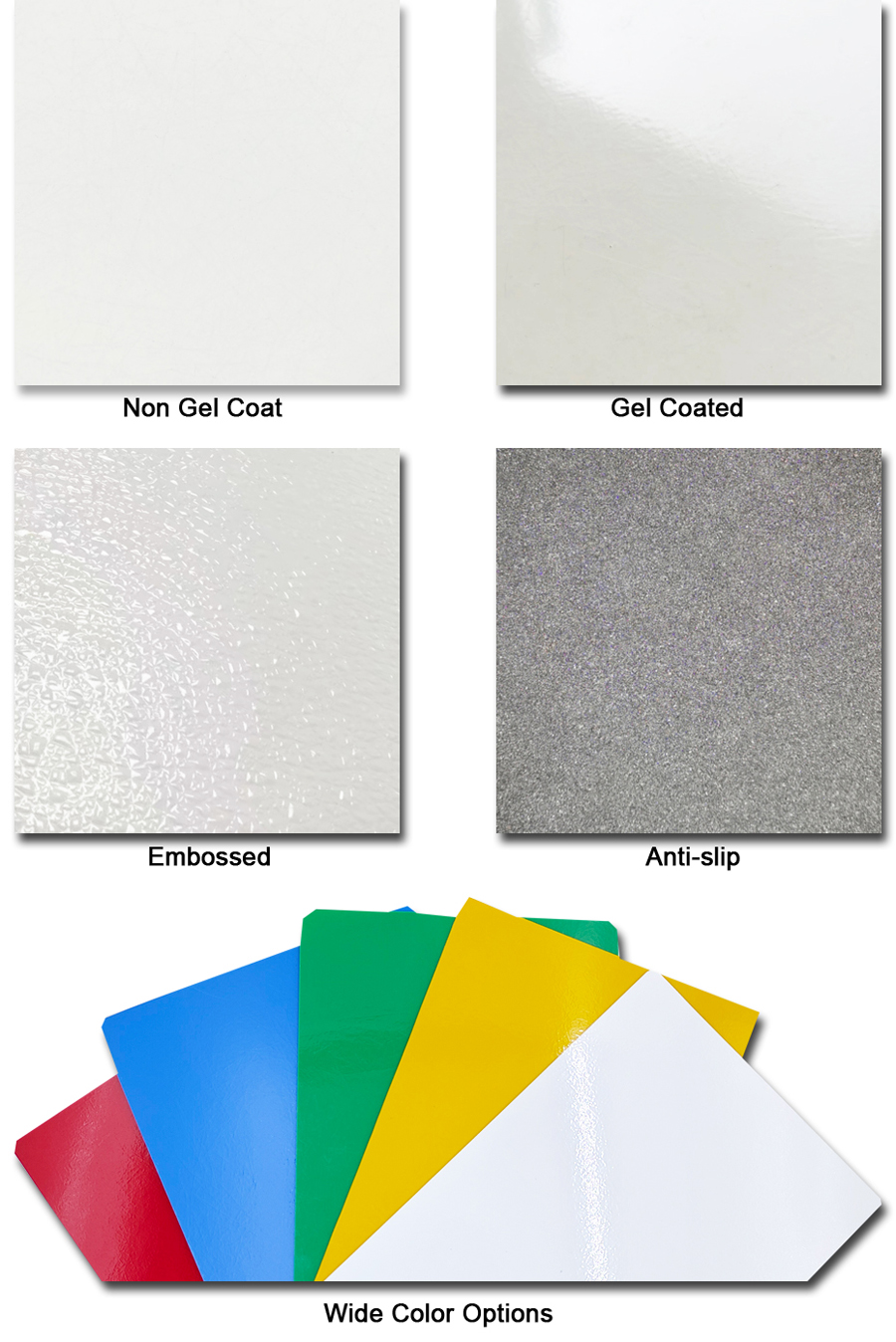
The transportation industry, particularly in commercial van manufacturing, has embraced glass fiber reinforced plastic panel for van body solutions due to their versatility and efficiency. In this context, panels are typically produced as flat sheets, which are then laminated with thermal insulated foam cores or PP honeycomb cores. This design not only enhances structural integrity but also provides excellent insulation, crucial for temperature-sensitive cargo. The use of glass fiber panel for van body setups allows for lightweight construction, improving fuel efficiency and payload capacity. Moreover, these panels are supplied as roll materials, enabling van manufacturers to cut and composite them according to specific design requirements. This flexibility reduces waste and streamlines production processes. Common colors like white and gray are popular for their aesthetic appeal and heat反射 properties, though custom colors are available to meet branding needs. The durability of glass reinforced plastic panel ensures that van bodies withstand daily wear and tear, including impacts and vibrations, without corroding or degrading. This makes glass fiber reinforced plastic panel for van body an economical choice over the long term, as it minimizes maintenance and replacement costs. As we explore further, we will see how this application differs from roofing and cooling tower uses, highlighting the material's adaptability.
Flat glass fiber panel designs are preferred in van body construction for their ease of integration with insulating cores. The process involves bonding the panels to foam or honeycomb materials, creating a sandwich structure that offers superior thermal and acoustic insulation. This is especially beneficial for refrigerated vans or those transporting perishable goods. The lightweight nature of glass reinforced panel means that vans can carry heavier loads while complying with weight regulations. Additionally, the smooth surface of flat panels allows for easy cleaning and branding, making them a practical choice for logistics companies. The corrosion resistance of glass fiber reinforced plastic panel for van body applications ensures longevity, even in humid or salty environments, reducing downtime for repairs. This section underscores why glass fiber panel for van body solutions are revolutionizing the transportation sector, offering a blend of performance and cost-effectiveness.

In roofing applications, glass fiber reinforced plastic panel for roof systems are engineered to provide superior protection against the elements. Unlike the flat panels used in vans, roofing panels are often corrugated to enhance strength, facilitate water drainage, and simplify installation. This design increases the panel's load-bearing capacity, making it suitable for spanning large areas without additional support. The use of glass fiber panel for roof setups is common in industrial buildings, agricultural structures, and residential projects due to their durability and weather resistance. These panels are customized in width and length to minimize material waste during installation, aligning with sustainable construction practices. The inherent properties of glass reinforced plastic panel make it resistant to UV radiation, preventing discoloration and degradation over time. This ensures that roofs maintain their aesthetic and functional qualities for decades. Furthermore, the corrosion resistance of glass fiber reinforced plastic panel for roof applications makes them ideal for coastal or high-pollution areas where other materials might fail. By focusing on the corrugated design, this section highlights how glass fiber panel for roof solutions address unique challenges like drainage and wind resistance, offering a fresh angle on their benefits.
The corrugated profile of glass fiber panel for roof installations is not just for aesthetics; it significantly improves structural performance. The ridges add stiffness, allowing the panels to withstand heavy snow, wind, and impact loads. This makes glass reinforced panel roofs a reliable choice in extreme weather conditions. Additionally, the corrugations channel rainwater efficiently, reducing the risk of leaks and water damage. The ease of installation is another key advantage, as panels can be cut to size on-site, reducing labor costs and time. The UV stability of glass fiber reinforced plastic panel for roof systems ensures that colors remain vibrant, and the material does not become brittle with age. This section explains why glass fiber reinforced plastic panel for roof applications are a smart investment for long-term building performance, emphasizing their role in modern architecture.

Cooling towers are critical components in industrial processes, and their cladding must endure harsh conditions, including constant exposure to moisture, chemicals, and temperature fluctuations. Glass fiber reinforced plastic panel for cooling tower cladding is specifically designed to meet these challenges. Similar to roofing applications, these panels are often corrugated to boost strength and promote efficient water runoff. The use of glass fiber panel for cooling tower systems ensures resistance to corrosion, which is essential in environments with high levels of pollutants or saline air. This extends the lifespan of cooling towers, reducing maintenance and replacement frequency. Customizable dimensions allow for precise fitting, minimizing gaps and improving overall efficiency. The non-porous surface of glass reinforced plastic panel prevents microbial growth, contributing to hygienic operations in sectors like power generation and HVAC. By exploring this application, we see how glass fiber reinforced plastic panel for cooling tower setups provide a robust solution for industrial infrastructure, aligning with safety and sustainability goals.
The selection of glass fiber panel for cooling tower cladding is driven by its unmatched durability and low maintenance requirements. Unlike metal cladding, glass reinforced panel does not rust or corrode, even in highly acidic or alkaline environments. This makes it ideal for glass fiber reinforced plastic panel for cooling tower installations in chemical plants or coastal areas. The lightweight nature simplifies installation and reduces structural load, while the corrugated design enhances rigidity. Additionally, the material's thermal insulation properties help maintain optimal operating temperatures, improving energy efficiency. This section details the practical benefits of glass fiber reinforced plastic panel for cooling tower applications, showcasing why they are a preferred choice in demanding industrial settings.

While glass fiber reinforced plastic panel is used across van bodies, roofs, and cooling towers, the specific requirements dictate the panel design and properties. For van bodies, flat panels with insulated cores are key for weight savings and thermal management. In contrast, roofing and cooling tower applications rely on corrugated panels for strength and drainage. The material's versatility allows it to be tailored to each use case, whether it's glass fiber panel for van body needs or glass fiber panel for cooling tower cladding. This comparative analysis highlights how glass reinforced plastic panel adapts to different industries, offering consistent benefits like corrosion resistance and longevity. By understanding these nuances, businesses can make informed decisions about material selection.
The future of glass fiber reinforced plastic panel technology looks promising, with advancements in recycling and smart materials. Innovations may include integrated sensors for monitoring structural health in glass fiber panel for roof systems or enhanced fire resistance for glass fiber panel for van body applications. As sustainability becomes a priority, the development of bio-based resins could further reduce the environmental impact of glass reinforced panel production. This section explores emerging trends, emphasizing the evolving role of glass fiber reinforced plastic panel in modern industry.
In summary, glass fiber reinforced plastic panel is a versatile and robust material that excels in van body, roofing, and cooling tower applications. Its ability to be customized—whether as flat panels for vans or corrugated panels for roofs and cooling towers—makes it a go-to choice for engineers and designers. The benefits of durability, corrosion resistance, and ease of installation position glass fiber reinforced plastic panel for van body, glass fiber reinforced plastic panel for roof, and glass fiber reinforced plastic panel for cooling tower uses as leaders in their respective fields. As industries continue to prioritize efficiency and sustainability, the adoption of glass fiber panel technology is set to grow, driving innovation and performance across the globe.
Contact us:
Email: lzpanels@163.com
WhatsApp/Wechat: 008613702432446


